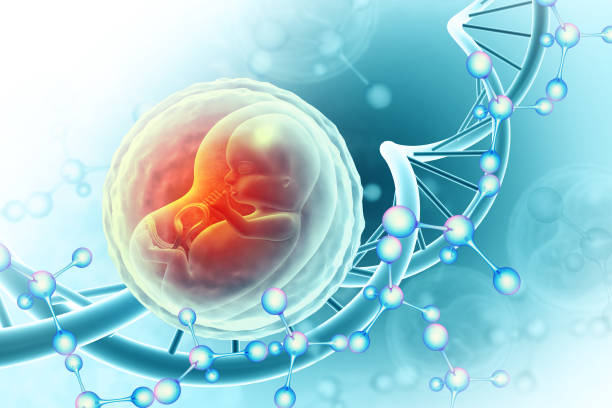
gynaecology-obstetrics is a stream of medicine that deals with the study of diagnosis and treatment of Women’s diseases that are primarily associated with women’s reproductive organs. While Obstetrics is also a discipline of gynaecology-obstetrics, which is concentrated on pregnancy, childbirth and the postpartum period. Though both are twin subjects’ gynaecology-obstetrics involves treating women who are not pregnant, while obstetrics is completely about pregnancy issues of women.
gynaecology-obstetrics deals with both medicine and the surgical fields of women as most of the gynecological issues require hormonal and pharmacological management, fibroids, cancers, etc., which seek surgical removal.
A Gynaecology is a doctor who specializes in diagnosing and treating diseases associated with female reproductive health.
If a particular person is suffering from any issues associated with the female reproductive tract, they are referred to a Gynaecology. Usually, a female reproductive tract includes the uterus, fallopian tubes, ovaries, and breasts.
Most of the time, 80% of women aged between 15 to 45 years consult a Gynaecology.
While an Obstetrician is referred to those, who are specialized in care during pregnancy, labor, and after birth.
Gynecological Procedures and Services
Gynaecology employ a wide range of diagnostic and therapeutic
procedures to treat their patients. Some of these procedures and
services include:
- Uterus Removal
- Removal of Ovary
- Removing fallopian tubes during the surgery
-
Cone biopsies (if cancer is suspected in the womb, then cone biopsies
are taken from the inner walls of the uterus and tissue samples from the
cervix)
-
Looking inside the uterus using endoscope kind of instruments,
Colposcopy, and Hysteroscopy
-
Pap smears (taken from the cervix to detect and diagnose cervix cancer)
- Ultrasonography (to examine internal reproductive organs)
- Diagnosis and treatment of STD (Sexually Transmitted Diseases)
-
Treatment of issues related to the menstruation cycle, such as irregular
or on-set menstruation, heavy bleeding, absence, etc.
When to See a Gynaecology?
Certain health conditions indicate a check-up at a Gynaecology. These
indications may include the following:
- Issues raised regarding Periods or getting Pregnant
- Discomfort in your Pelvic Region
- Concerns about Discharge and bad odor
Treatment by a Gynaecology
A Gynaecology examines your reproductive system internally and also
externally. They will examine your breasts, vulva at the vagina, and an
internal pelvic examination will be done.
Using a tool called a speculum, Gynaecology examine the internal parts
of a reproductive system that is inserted through the vagina.
With all these examinations, a Gynaecology gets a clear idea about the
health condition of your reproductive system and then starts the treatment
accordingly.
If your medical conditions involve treatment with another kind of
specialization, the Gynaecology may refer you to that specialist. Based
on your health issues, your treatment may include surgery, medication, or
even a wait-and-see approach.
Experienced Gynaecology at Russh Super specialty Hospitals
Russh Super Speciality Hospitals are the right place for all your
gynaecology-obstetrics issues. We have the most experienced doctors who can treat and
cure the issues of your gynaecology-obstetrics problems and the problems associated
with pregnancy with care. Our hospitals, with our expertise and
experience, have become the trusted hospital for our existing patients as
we treat them with care. All kinds of equipment to treat significant
health issues are available at our hospitals. Our primary gynaecology-obstetrics
treatments may include gynaecology-obstetrics illness, Pelvic Floor Repair, Vaginal
Vault Prolapse repair, IUI Treatment, High-Risk Obstetrics Management,
Polycystic Ovarian Syndrome, etc.
Why Choose Russh Hospital Gynecology & Obstetrics Department?
At Russh Super Speciality Hospital, Suchitra, our Gynecology & Obstetrics Department provides comprehensive healthcare for women at every stage of life, from adolescence to pregnancy, childbirth, and menopause. Our experienced gynecologists and obstetricians offer expert care for high-risk pregnancies, normal deliveries, cesarean sections, infertility evaluation, menstrual disorders, PCOS, fibroids, ovarian cysts, menopause management, and other women's health concerns. Supported by advanced diagnostic facilities, modern labor and delivery suites, fetal monitoring, and neonatal care, we ensure safe motherhood and personalized treatment for every patient. Conveniently located in Suchitra, we proudly serve patients from Kompally, Quthbullapur, Jeedimetla, Bowenpally, Secunderabad, and nearby areas. Whether you are planning a pregnancy, expecting a baby, or seeking expert care for any gynecological condition, visit Russh Super Speciality Hospital, Suchitra for compassionate women's healthcare and trusted maternity services.